The horse is the point.
So we start there.
CHANGING REIN CONSULTING
You know your horses. We know the science.
Together we find changes that measurably improve their welfare and make sense for the way you actually work.
We work with anyone in racing or equestrian sport who wants to do better by their horses, from single yards to national bodies. Not to hand you a badge or a blueprint — but to help you find real, evidence-based change and actually make it stick.

WHY WE EXIST
Good welfare shouldn't depend on who's watching.
We help you build welfare into every level of your organisation — so it holds up whether or not anyone's looking.
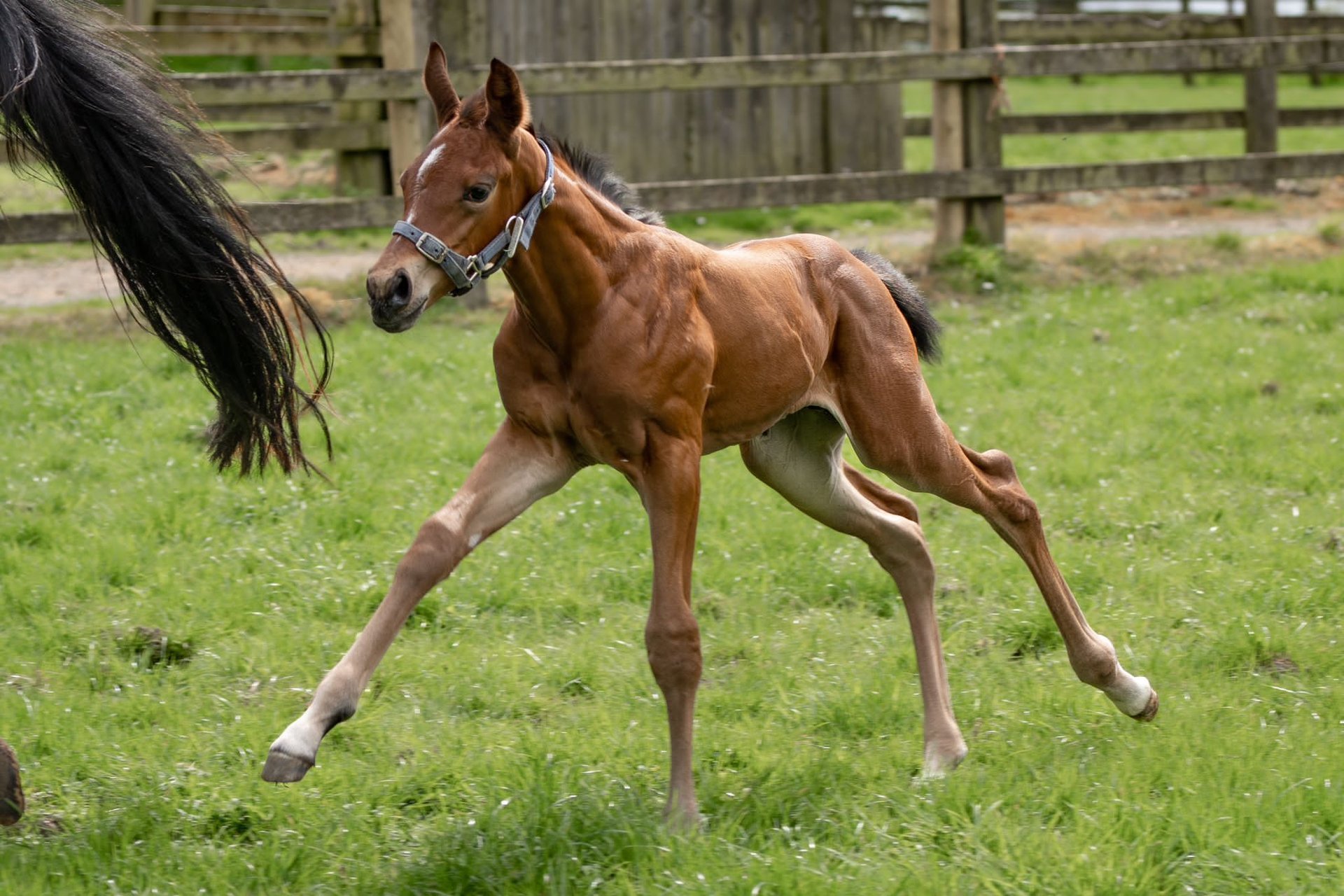
"Welfare isn't a cost to defend or a fire to fight, but an investment in something our industry already believes in.
We help you bring it to life, and make it count."
the changing rein view
Welfare is an investment.
Something worth doing properly, and worth doing even when no one’s keeping score.
the old view
Welfare is a cost.
Something to manage, minimise, and justify when someone asks.
A different way to think about welfare
An investment in the horses in your care
Real welfare work has costs.
It takes time, attention, and a willingness to look hard at how things are done.
The organisations that take it seriously don't treat that as a burden to minimise. They treat it as an investment in the horses in their care, and in work they proudly stand behind.
The good reputation that follows is real — but it's the result, never the reason.
How we work
No blueprints. A method.
We don’t arrive with answers. We work through a clear process with you, so the changes you make are yours. Changes grounded in evidence, and built to last.
Listen and look closely
We start by understanding your operation as it really is, that is, how things are done, why, and where the pressures sit. No judgement, no assumptions.
Bring the evidence
We map your situation against the Horse Welfare 12 and the wider science, to find where welfare can genuinely improve and where it already works well.
Make change that holds
We help you shape changes that fit the way you work and that you can stand behind. Then we check they’re actually making a difference to the horses.
02
01
03
Two ways to start
Bring us in to work alongside you or get to know how we think first.
Both lead to the same place.
Changing Rein Podcast
Not ready to talk? Have a listen.
The conversations behind the consulting - science, doubt, and hard questions about doing right by horses. Most of our clients started here.
We work in your corner, not over your shoulder.
We sit down with your team, dig into what the evidence actually means for your operation, and help you shape changes you can stand behind because you chose them. No off-the-shelf answers. The kind of change that outlasts the consultant.
Built on the peer-reviewed Horse Welfare 12
our position
HW12 helps organisations and individuals see where they sit in the system that shapes horse welfare, and where they have real leverage to make change.
The HW12 on its own doesn't tell you which direction to move, and we're not neutral on that.
Every application of this framework in our work points away from horses as athletic equipment, and toward horses as sentient beings with interests of their own.
This isn't a case against the horse industry.
It's a commitment to helping the industry thrive by putting horse welfare at its centre. Because an industry that does right by its horses is an industry with a future.
This direction isn’t ours alone. It’s consistent with where animal welfare science has been pointing for some time, it’s the direction most societies are moving in how they expect animals to be treated, and — in our experience — it’s what most people working with horses want.
what sets us apart
Pull one thread, and the whole thing moves. That's the Horse Welfare 12.
Fix a horse's feed and you've changed her behaviour. Change his work and you've changed his rest. Welfare doesn't come in tidy, separate problems, so we don't pretend it does. Our published framework maps twelve levels that pull on each other, which is why our changes hold instead of unravelling the moment you look away.
Peer-reviewed, published, and built to make a real difference to horses — not just look good on paper.
What we won't do.
We won’t lend our name, or the Horse Welfare 12, to change that isn’t genuinely happening.
We won’t tell you only what you want to hear. If something isn’t working for the horse, we’ll say so.
We won’t treat welfare as a box-ticking exercise, a press release, or a shield.
We won’t walk away when the honest answer is hard. That’s usually where the work is.
where we stand
What we will do.
We'll guide you through the science, and make it genuinely useful — not just hand you a paper and wish you luck.
We'll challenge you when it matters, and back you while you rise to it.
We'll help you bring your people with you, so change isn't something done to your team but something they own.
We'll stay in it with you through the awkward middle, not just the easy start.
Here's what you can count on from us and the lines we hold
We only do this work if it’s real.
That means standing beside you while you do the hard parts and being honest about what we won’t put our name to.
CHANGING REIN PODCAST
The questions the industry doesn't say out loud.
Karen and Meta bring researchers, riders and racing people to the table for the conversations that usually happen in the truck park, not on the record. What does the science actually say? Where does it get uncomfortable? And what would it take to do better? Come for curiosity, stay for the honesty.


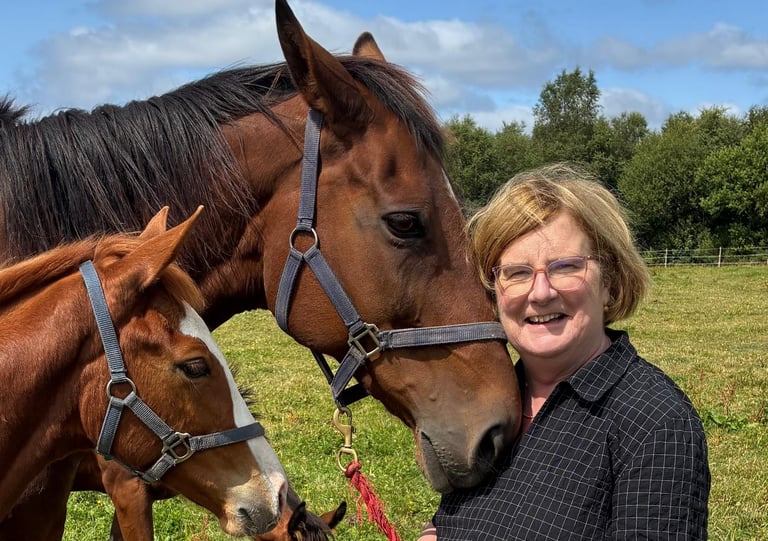
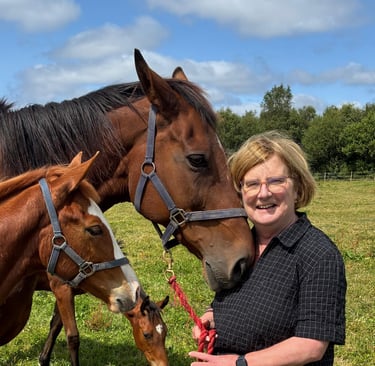
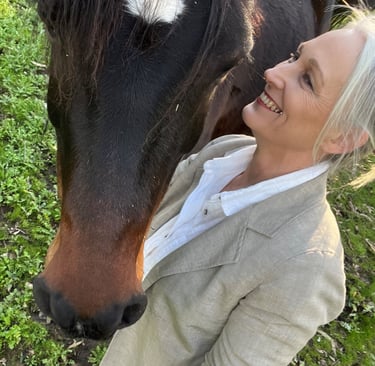
Karen
Karen is a lifelong horsewoman who grew up riding horses in the Australian bush. She loves eventing, although no longer competes. She has a PhD in equine welfare and human behaviour change.
The people behind Changing Rein
Karen and Meta
Two people who’ve spent their careers between the lab and the yard — and got tired of watching good science die on the way to the stable door. They started Changing Rein to close that gap, working with industry people as the allies they are, not the problem they’re often treated as.
Meta
Meta grew up on the Irish National Stud, and is a highly regarded equine reproduction vet with a Masters degree in Animal Welfare and Ethics from the University of Edinburgh.

in the media
"Putting the horse first will not threaten horse sports' future. It may be what secures it."
Helen Sharp, The Irish Field - July 2026
naas racecourse workshop
The industry showed up. And stayed in the room.
The Irish Field joined around 40 of racing and equestrian sport's most influential figures - trainers, grooms, vets, regulators and welfare scientists from across Ireland and Britain - at our Naas workshop, to see how HW12 turns welfare thinking into action.


Let's find out what your organisation is capable of.
Tell us where you're at. We'll help you discover what better looks like - and help you build it in a way that's unmistakably yours.
Changing Rein
Helping racing and equestrian organisations navigate a changing industry.
PODCAST
team@changingrein.com.au
© 2026. All rights reserved.
Watch